About this tour
From the towpaths along the Huangpu River to the skyline of an international metropolis, Shanghai’s architectural evolution has always embodied the gene of “inclusiveness and coexistence.” After the city opened to foreign trade, the Bund’s “Gallery of World Architecture” took the lead in writing a chapter of integration—Gothic spires stand alongside Baroque reliefs, the Western dome of the HSBC Building faces the Chinese-style eaves of the Bank of China Building, forging global architectural styles into the city’s initial diverse texture. Meanwhile, shikumen lilongs blend gray bricks and black tiles with Western gables, integrating the wisdom of Jiangnan residences with colonial architectural language to become a vivid carrier of Shanghai-style culture.
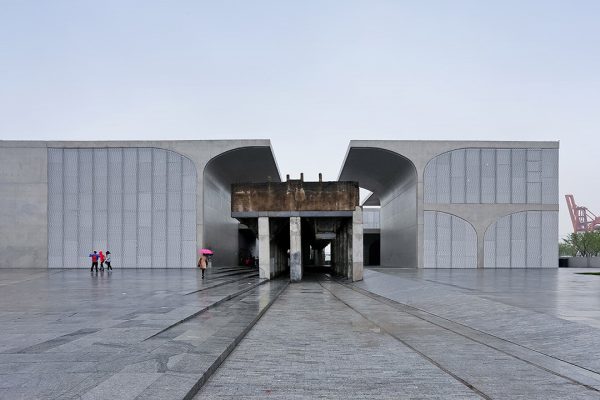
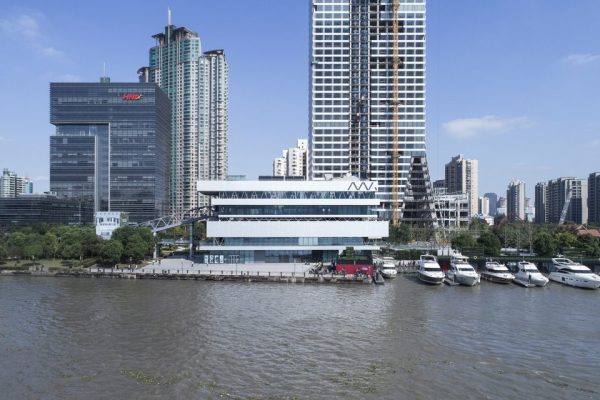
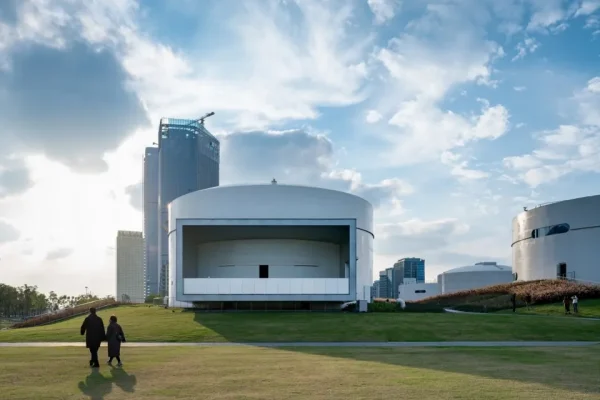
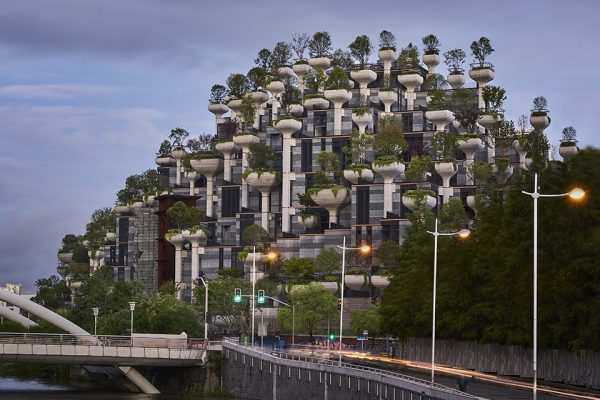
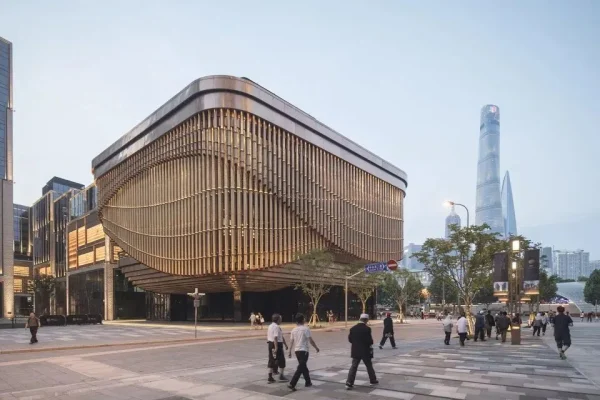
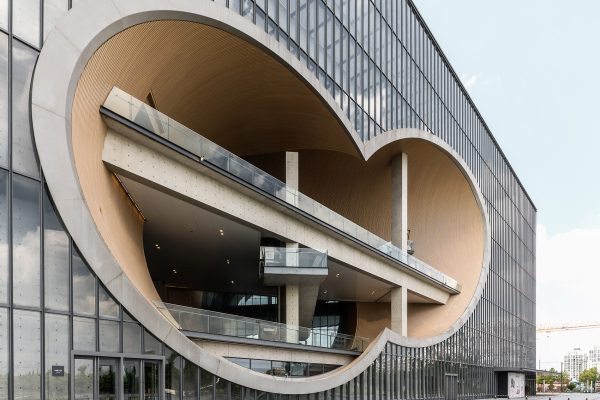
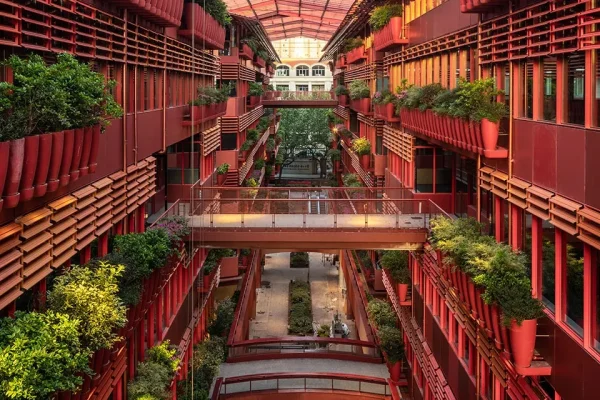
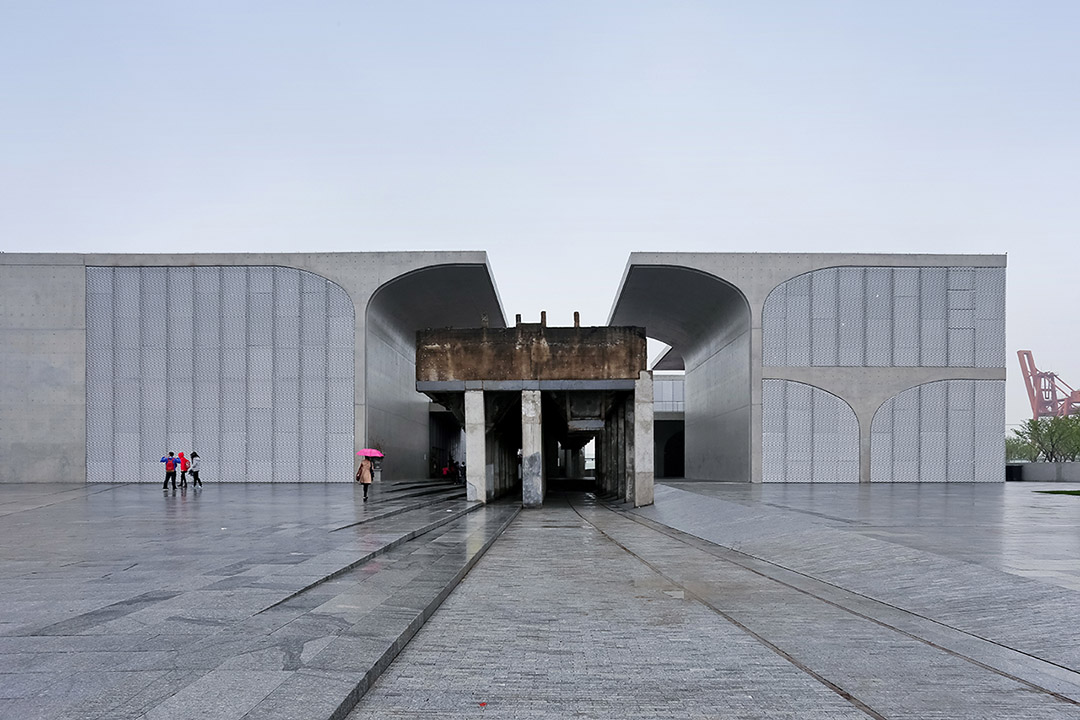
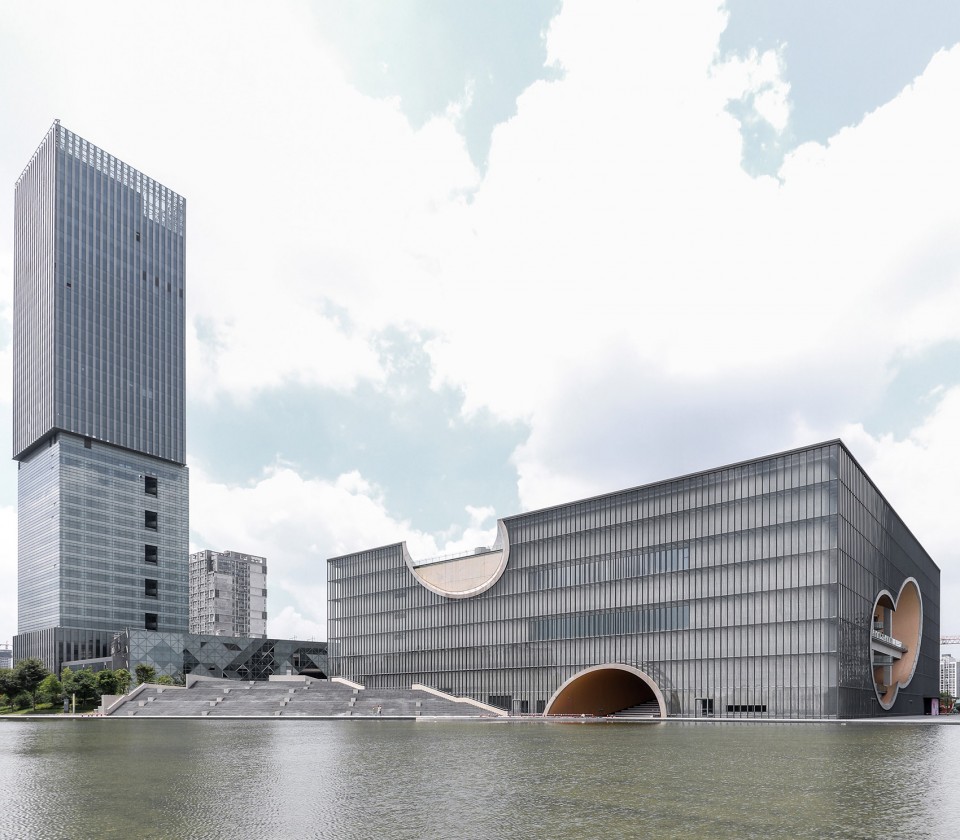
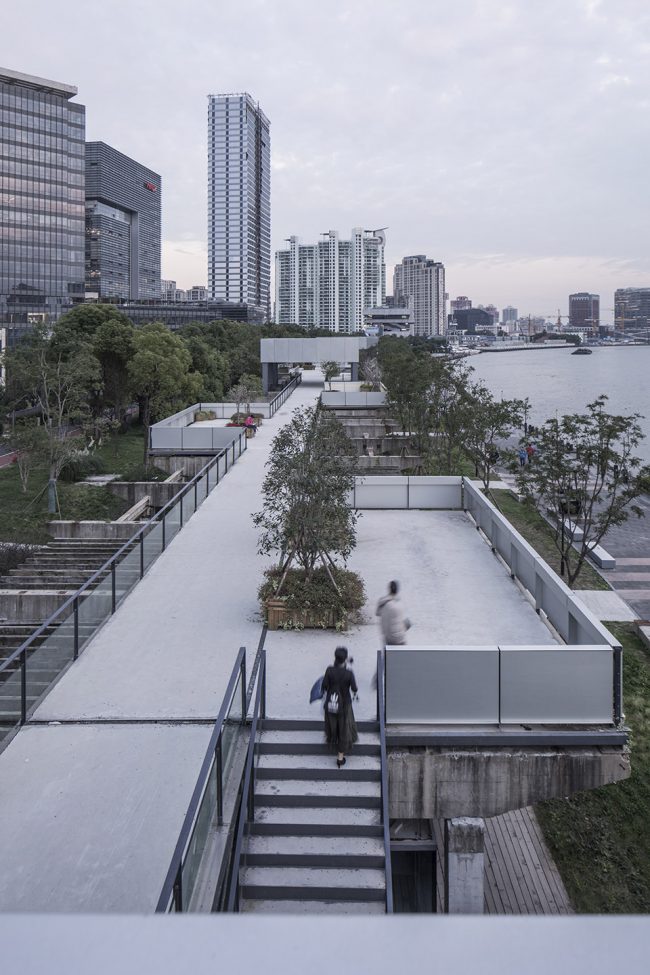
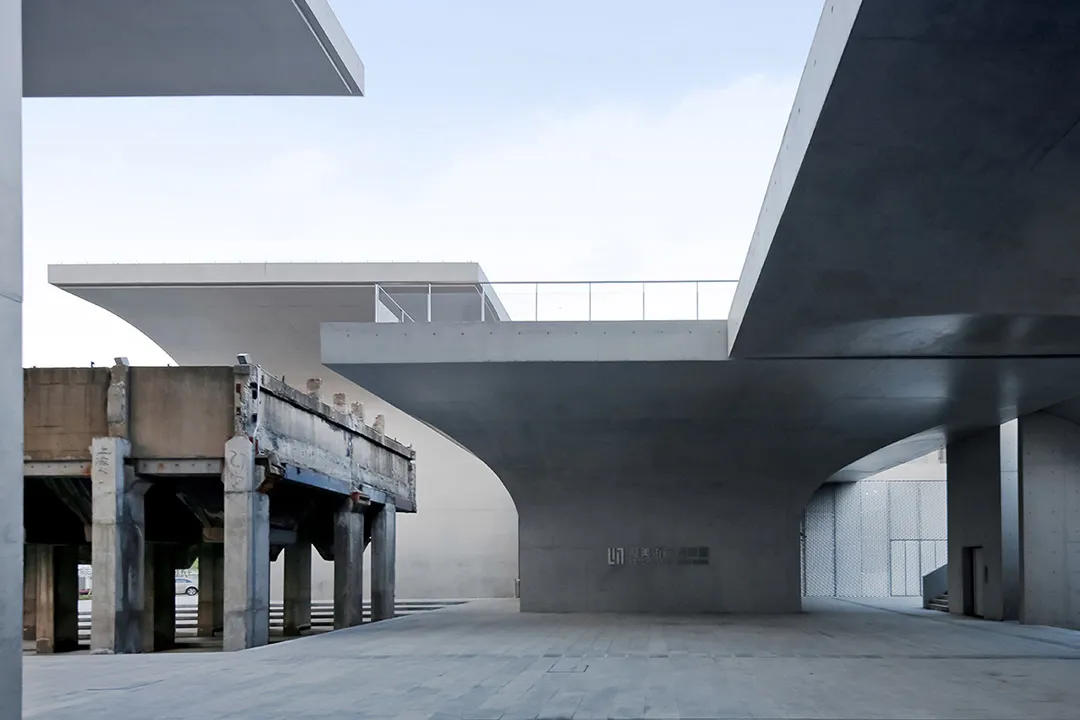
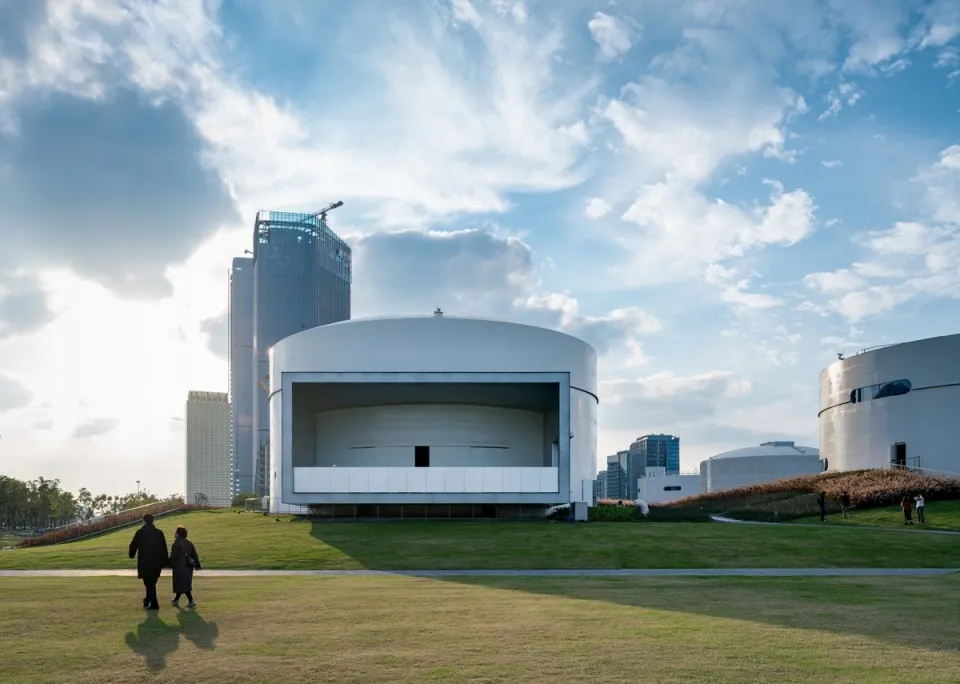
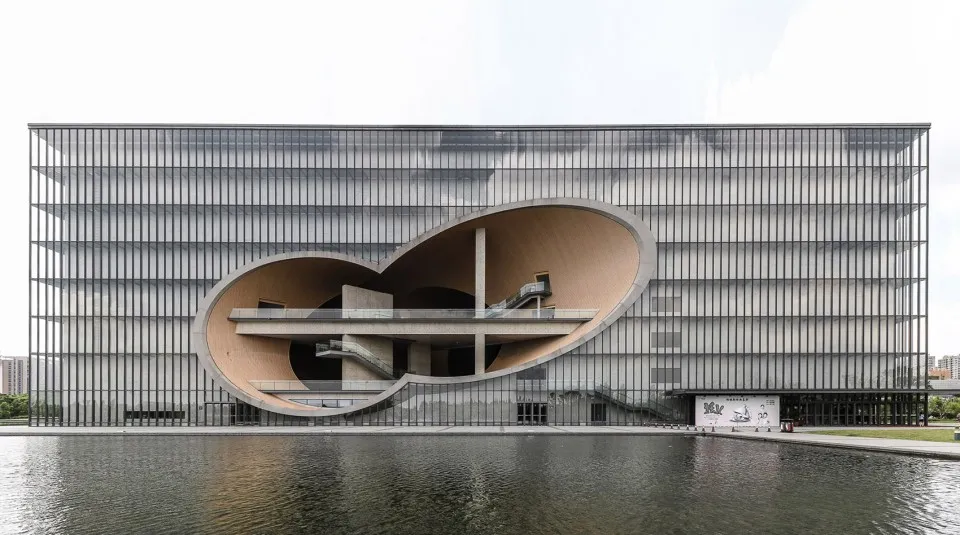
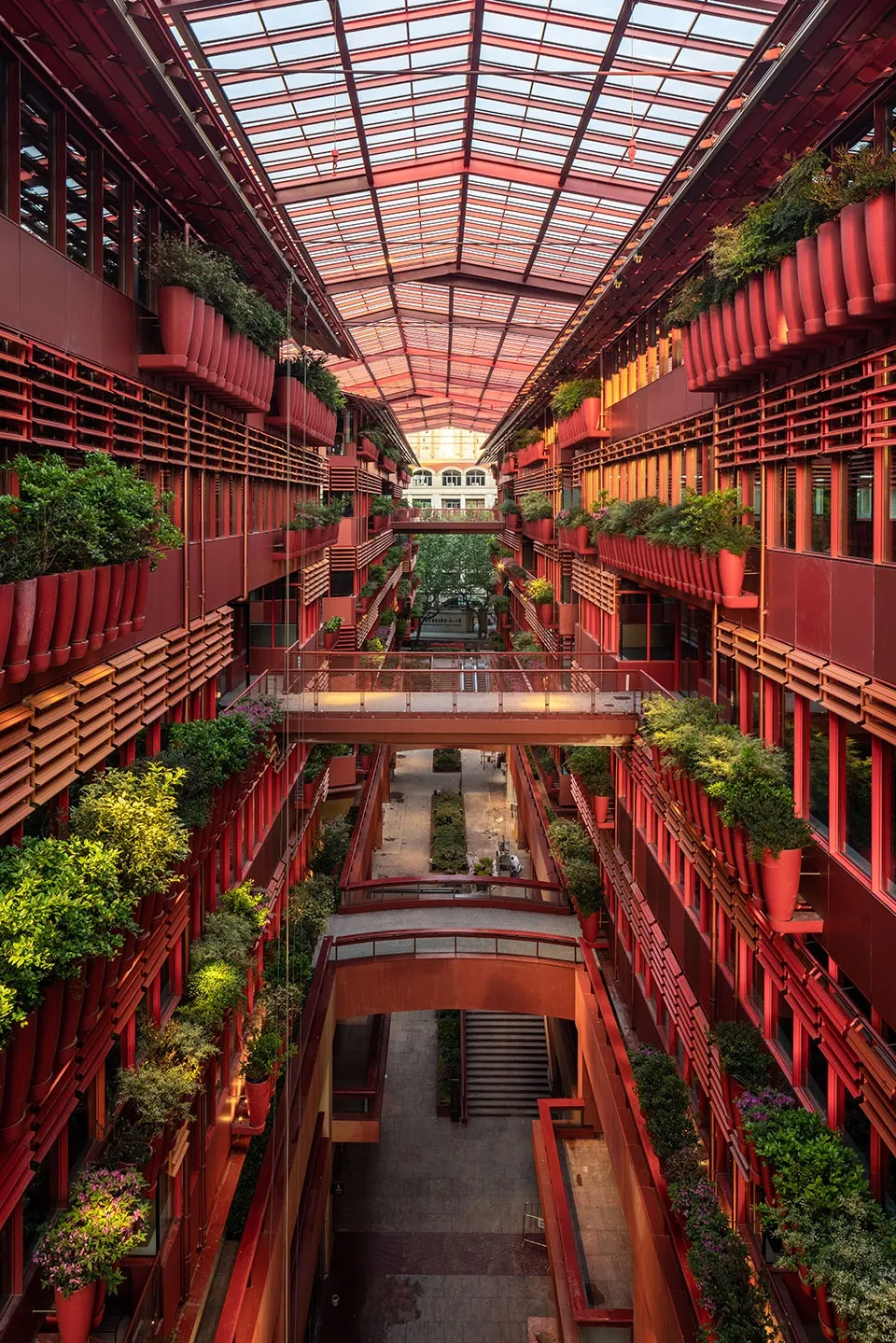
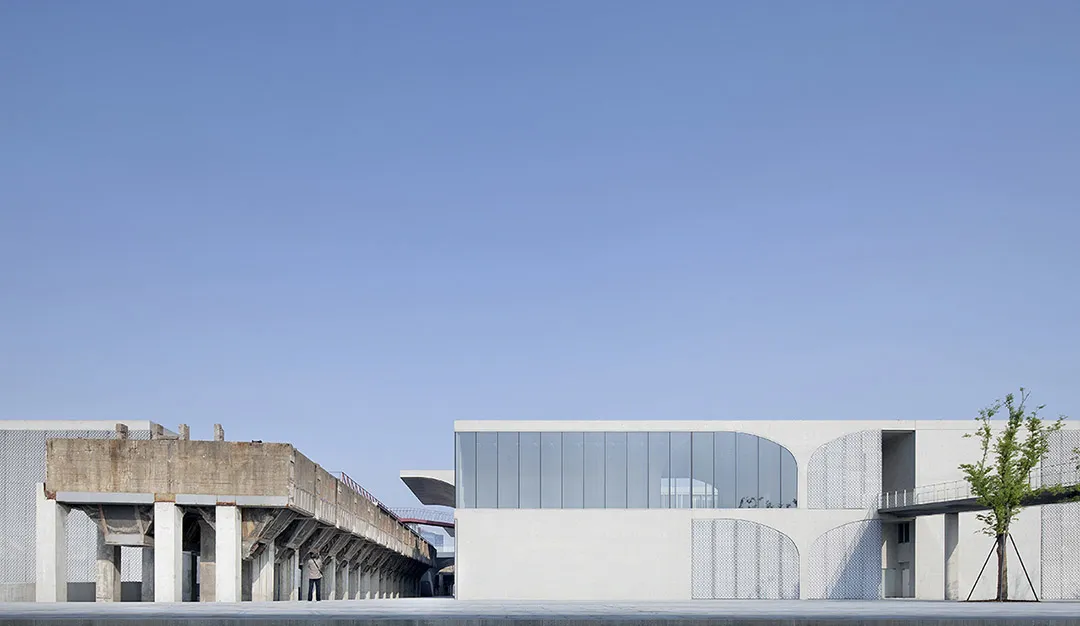
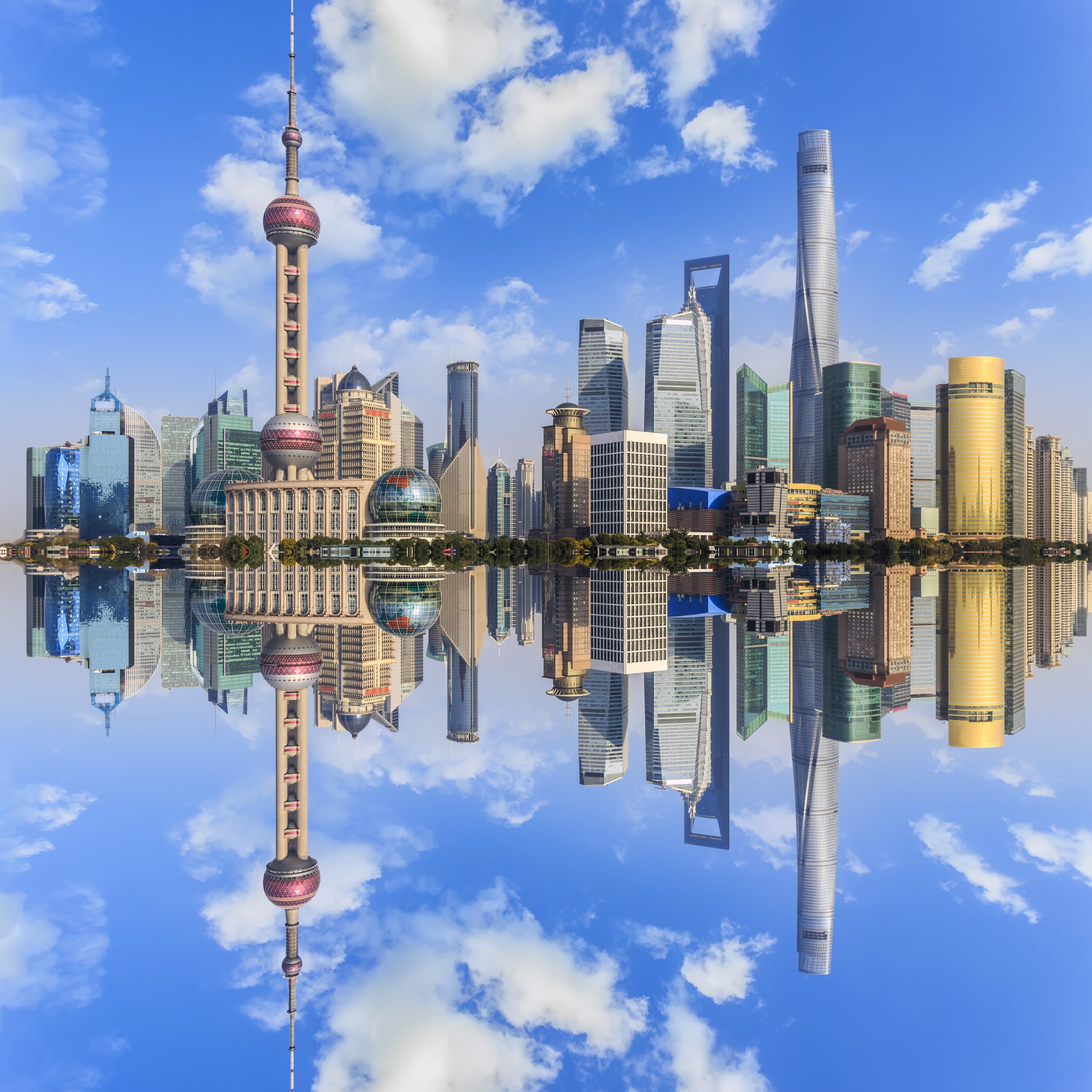
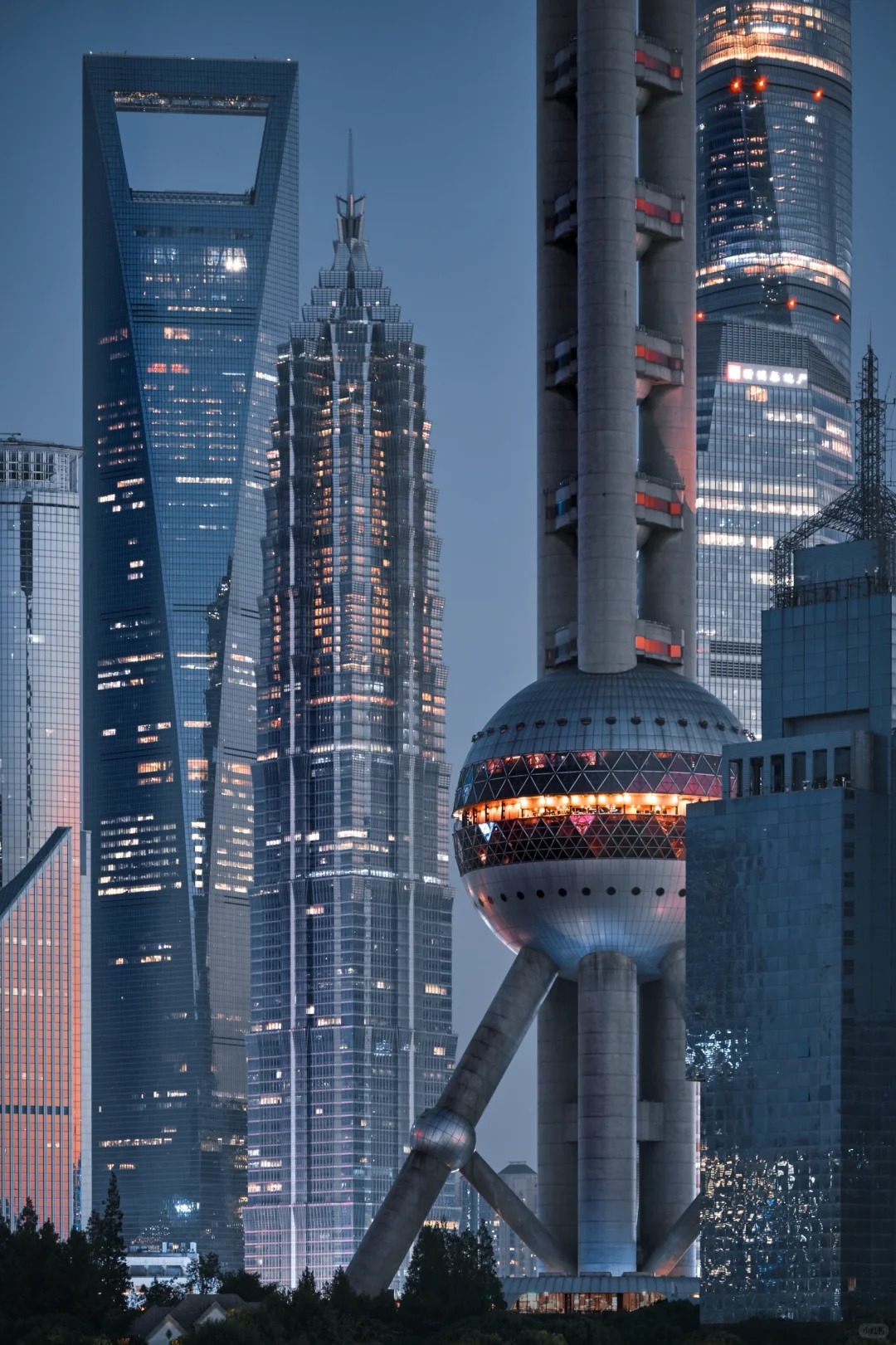
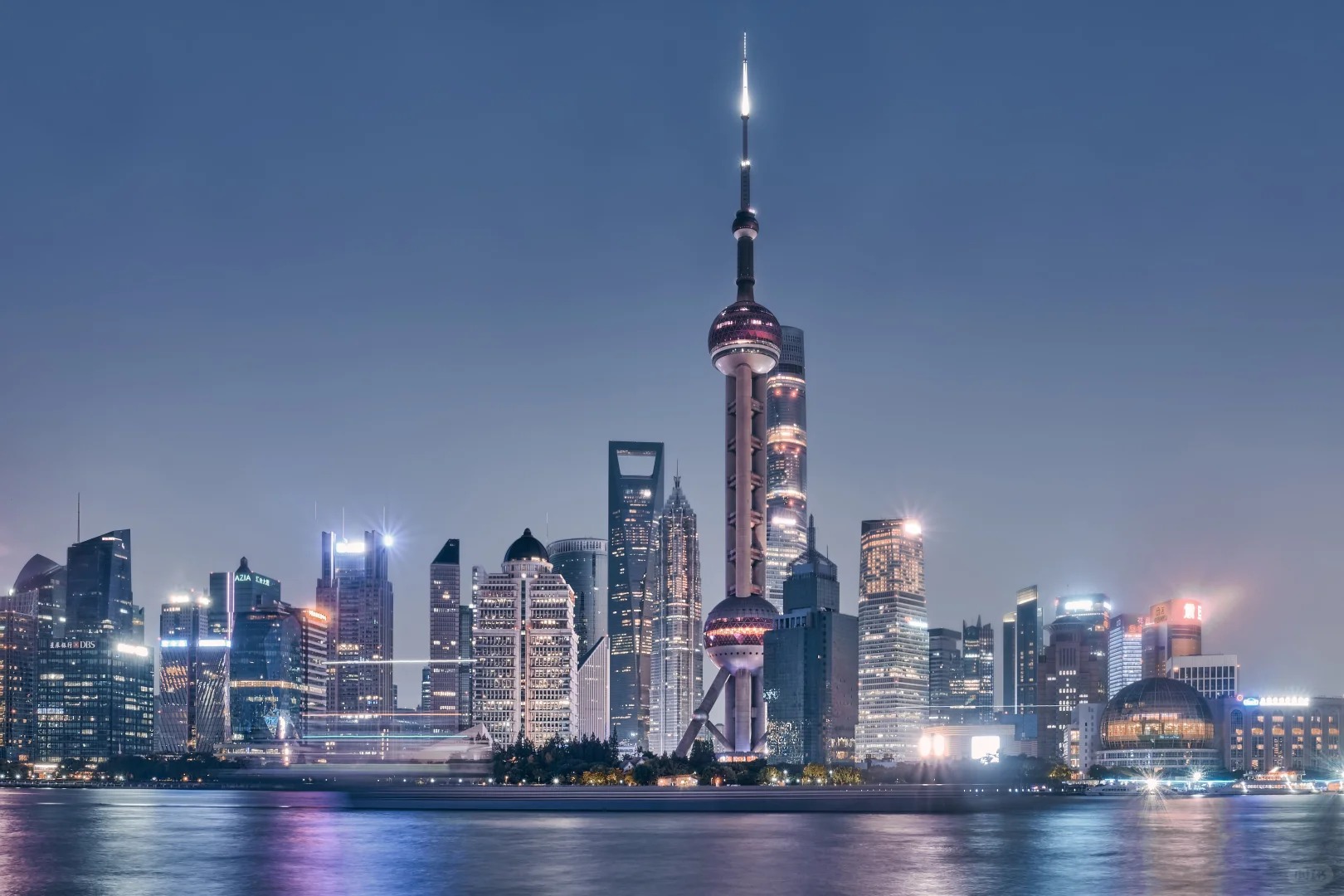
Today, Shanghai continues this inclusiveness with a more open attitude. In Lujiazui’s skyscraper cluster, buildings are no longer isolated symbols: some are designed as “urban symbiotic organisms,” using transparent curtain walls to break the visual boundary between the clouds and the ground, reconciling a sense of technology with the needs of public spaces. The renovated industrial heritage park “EKA·Tiwu” preserves the historical texture of century-old red-brick factories while incorporating the “Copper Fort” art space and a sky mirror, allowing old industrial memories to coexist harmoniously with contemporary art and fashion demands. From the stylistic integration of the Bund to the dialogue between old and new in the West Bund, Shanghai’s modern architecture has always used “inclusiveness” as its brush, writing a city story of multicultural prosperity through inheritance and innovation.


 English





Leave a review